Migraine aura: A question that many migraine patients have about chronic headaches is whether or not experiencing an aura (flashing lights) is important for diagnosing migraine disorder. There are many different types of migraines, and they can vary for each individual…and for each migraine headache episode.
Migraine types
According to the International Headache Society (HIS)Classification System, migraines are primary headaches. Other primary headaches include tension-typeheadaches and cluster headaches.
Classifications for migraine headaches include migraines with aura, migraines without aura, migraines without headaches, childhood migraines, and so forth.
To define which type of migraine you have, it’s important to take into account all the various symptoms you experience, such as nausea, headaches, neck soreness, eye sensitivity, stomachaches, vomiting, diarrhea, mood swings, visual disturbances, speech slurring, vertigo, and extreme crushing fatigue.
Anatomy of a migraine attack
There are four main phases that occur when you have a migraine attack. They include:
Prodrome- unusual cravings, loss of appetite, excitability, fatigue, thirst; these happen about one day earlier.
Aura- migraine aura phase (see below)
Migraine headache
Postdrome- migraine hangover, recuperation following migraine attack
Migraine aura
Approximately one-third of all migraine patients experience the aura phase of a migraine attack. This is a set of symptoms that develops gradually minutes before a migraine strikes and can last as long as one hour. Sometimes, migraine aura occurs without headache, and ends with a feeling of hangover.
To diagnose migraine with aura, you would have to have experienced at least one of the following symptoms minutes before a migraine attack, at least twice that you can remember. Symptoms are temporary, and cannot be attributed to any other underlying health problems.
Visual disturbances:
Flashing bright lights
Oscillating arc image
Zig-zagging line
Light specks that flicker
Temporary loss of peripheral vision
Dark void in vision
Double or blurred vision
Sensory disturbances:
Hallucinatory scents
Vertigo
Distorted spatial awareness
Faces appear grossly large or small
Loss of sense of time passing
Loss of consciousness
Numbness
Partial paralysis
Speech disturbances
Dysarthria speech distortion
Apraxia- paralyzed speech
Slurring
Numbness in tongue
Migraines with aura
Migraines without aura follow the prodrome phase, as opposed to an aura phase. A migraine without aura can be just as debilitating as a migraine with aura, and can last for hours or days.
If you experience migraines without the aura, don’t hesitate to ask your physician to refer you to a migraine headache specialist.
Treatments
Migraine abortive medications, preventatives, and pain treatments are often prescribed, in addition to migraine trigger avoidance.
Some helpful natural supplements for migraines are butterbur, magnesium, riboflavin, and coenzyme Q10.
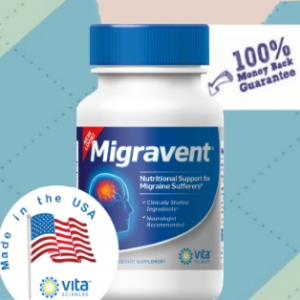
Try Migravent! No carrageenan. Natural ingredients. BUY NOW
Want to boost energy, prevent fatigue, and restore mental alertness? In addition to taking daily vitamins and minerals, and preventing vitamin B12 deficiency, it’s important to make sure you’re eating the right foods for maximum energy.
Boost energy with these foods
For more energy throughout the day, you need to fill up on foods with high-octane, complex carbohydrates, lean proteins, and soluble fibers for normal digestion.
Look for energizing foods that provide antioxidants, minerals, and plenty of B vitamins for stamina, neurological integrity, and healthy metabolism.
Below is a list of the best healthy foods that provide the most energy.
Apples– healthy fiber, fructose, vitamin C, antioxidants, and boron for alertness
Bananas– B-vitamins, calcium, iron, magnesium, healthy fiber, and potassium
Red bell peppers– vitamin C, healthy fiber, phytochemical lycopene, and vitamin B6.
Carrots– healthy fiber, Beta-Carotene
Celery– water, fiber, vitamin C, B-vitamins, potassium and sodium
Tomatoes– vitamin C
Sweet potatoes– vitamin A, vitamin C
Pumpkin– potassium, fiber, vitamin A
Spinach– iron, vitamin C, vitamin A, calcium, and folate
Cantaloupe– B-vitamins, potassium, fructose, and water
Watermelon– B-vitamins, potassium, fructose, and water
Pineapple– Vitamin C and bromelain
Mango– Vitamin C
Sea vegetables– calcium, iron, magnesium, and potassium
Nuts– selenium, B- vitamins, copper, vitamin E, omega-3 fatty acids, tyrosine, magnesium, manganese, iron, and Coenzyme Q10
Lemon-mint water– vitamin C, prevents dehydration and fatigue
Coconut water– electrolytes to prevent dehydration and fatigue
Green smoothie– combined energy-boosting nutrients of yogurt, leafy green vegetables, apples, and bananas
Tea– caffeine, L-theanine
How’s your B12?
Sometimes, daily fatigue, dizziness, and muscle pain is a result of low vitamin levels, particularly in energy-boosting vitamin B12. A blood test will tell you if you need to increase your vitamin B12 intake.
Vitamin B12 can be found in most protein foods, such as beef, chicken, fish, eggs, and dairy products. If you have vitamin B12 deficiency, then you may require extra B12 outside of the food pyramid.
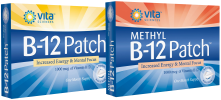
An easy way to maintain healthy vitamin B12 levels is to use vitamin B12 supplements that replenish cobalamin in the blood supply quickly and efficiently.
Fibromyalgia is a musculoskeletal disorder that causes widespread “fibromyalgia pain,” in addition to crushing fatigue, insomnia, and problems with memory and mood. Often, vitamin deficiency occurs with fibromyalgia. For maximum health, always include these essential vitamins and minerals.
Fibromyalgia pain management
People with fibromyalgia experience excruciating muscular soreness in the absence of apparent inflammation. Because the symptoms of fibromyalgia are “invisible,” most sufferers have difficulty getting a diagnosis or needed treatments in time to prevent devastating illness.
If you have fibromyalgia, then you may experience a combination of
wracking pain
numbness
tiredness
bloating
nausea
itchiness
anxiety
feverishness
Supplements that help
Fibromyalgia often occurs with comorbid conditions, such as gastritis or rheumatoid arthritis. For optimal health, you should follow a regimen of natural supplements, in addition to your prescribed medications.
Note: if you suffer from fibromyalgia or other forms of chronic pain, please speak to a doctor for treatment options. This article is not intended to provide medical advice or a cure for fibromyalgia.
Capsaicin (Cayenne)
Capsaicin is a natural muscle relaxant that occurs naturally in many pepper varieties, but most abundantly in cayenne pepper. Capsaicin cream is used by people with chronic pain from shingles, fibromyalgia, peripheral neuropathy, and back pain.
Dose: When desired, you may apply liberal amounts of capsaicin cream.
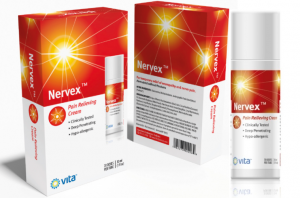
Nervex has Capsaicin, vitamin E, vitamin B12, vitamin D3, and other powerful inflammation-killers. Buy it now!
Vitamin B1 (Thiamin)
If your body had a battery, Vitamin B1 would be the juice that keeps you ticking. Vitamin B1 helps your body manufacture adenosine triphosphate, or ATP, an essential molecule that gives your body the energy it needs to keep your heart pumping and your lungs breathing.
Dose: For fibromyalgia, Crohn’s disease and folate deficiency, take at least 200 mg of thiamin per day.
Melatonin
Melatonin is a natural hormone produced by the pineal gland that promotes restful sleep. Melatonin supplements are helpful for people who don’t produce enough melatonin at nighttime and suffer from sleep disorders as a result. If fibromyalgia pain is keeping you up nights and causing insomnia, taking 3 mg of melatonin ½ hour before bedtime might help you get back to a normal sleep schedule, according to this report on melatonin in patients with fibromyalgia.
Take Maxasorb Melatonin Cream, and get to sleep quicker. Get it here.
Vitamin B12 (Cobalamin)
Vitamin B12 is a water-soluble vitamin that is only found in protein foods like meat, poultry, fish, eggs, and cheese. Your body needs vitamin B12 for red blood cell circulation, nervous system maintenance, DNA synthesis, healthy cognitive functioning, and energy production.
If you have fibromyalgia, then you need to watch for vitamin B12 deficiency, since gastrointestinal disorder symptoms like diarrhea and vomiting that are common with fibromyalgia, and can interfere with vitamin B12 absorption.
Symptoms of vitamin B12 deficiency are constant fatigue, depression, confused thinking, painful tingling-numbness in the hands and feet, sleeplessness, frequent clumsiness and stumbling, and sore, burning tongue.
Dose: For fibromyalgia and vitamin B12 deficiency, 1000 mcg of non-dietary vitamin B12 supplements per week provide optimal health.
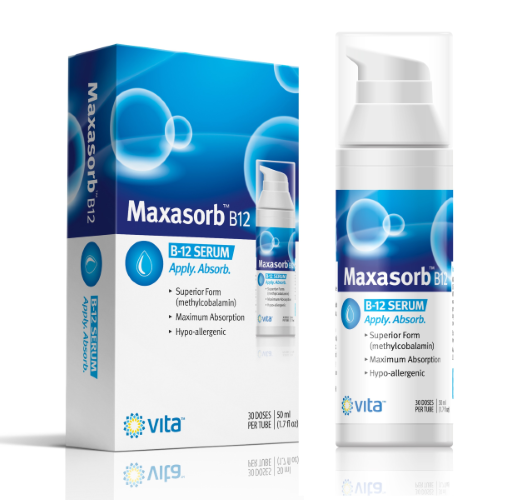
Maxasorb vitamin B12 cream- 320 mic of B12 in 1 dose.
Magnesium
Like vitamin B1, magnesium is another nutrient that helps your body produce ATP for energy. Magnesium aids in muscle relaxation and keeps calcium from entering the blood supply.
Magnesium is highly recommended to relax muscular tension in people with fibromyalgia, migraine headaches, and PMS.
Dose: Take 600 mg daily for optimum health.
Vitamin D3 (Cholecalciferol)
Your body needs two forms of vitamin D to survive- Vitamin D2, which is manufactured by plants, and vitamin D3, which your skin produces upon exposure to sunlight. Vitamin D aids in calcium absorption for building strong healthy bones and retaining bone mass.
Dose: For fibromyalgia and other autoimmune diseases, take 1,000 IU per day for optimum health.
Docosahexaenoic acid (DHA)
DHA occurs naturally in fatty fish, and is essential for healthy brain development in infants and cognitive functioning in adults. DHA is also used successfully to life the mood and increase mental clarity in people who suffer “brain fog,” as evidenced by this study on Health benefits of docosahexaenoic acid (DHA).
Dose: For fibromyalgia, depression, rheumatoid arthritis, and attention deficit hyperactivity disorder (ADHD), take 900 mg per day for optimum health.
D-ribose
D-ribose is a sugar that your body produces. For people who suffer from fibromyalgia and chronic fatigue, taking extra D-ribose supplementation is helpful for boosting energy and building strong muscles. D-ribose is also taken for improving endurance levels for sports and for muscular flexibility after strenuous workouts or with symptoms of fibromyalgia. Additionally, D-ribose increases muscular strength for people with heart disease.
Dose: For fibromyalgia, chronic fatigue syndrome and coronary artery disease, take 500 mg three times per day for optimum health.
S-Adenosylmethionine (SAMe)
Pronounces samm-ee, SAMe is a compound that your body produces for various essential functions, including maintaining your immune system and accessing important brain chemicals like serotonin, melatonin, and dopamine. If you suffer from vitamin B12 deficiency, folate deficiency or methionine deficiency, than your SAMe levels are probably low.
SAMe is healthful for people suffering from fibromyalgia symptoms such as muscular pain, chronic fatigue, and depression, according to many studies, including this double-blind study on oral S-adenosylmethionine in primary fibromyalgia.
Dose: For fibromyalgia, vitamin B12 deficiency and chronic fatigue, take 800 mg per day for optimum health.
5-Hydroxytryptophan (5-HTP)
5-HTP is a chemical that your body produces from tryptophan, which is then converted into serotonin, which your brain uses throughout the day to transmit messages within the nervous system.
5-HTP is useful for promoting good health in people with chronic depression, anxiety, sleep disorders, obesity, migraine headaches, and chronic pain associated with fibromyalgia, as evidenced by this double-blind study.
Dose: For depression and fibromyalgia pain, take between 100 to 300 mg three times daily for optimum health.
Vitamin E
Vitamin E is a powerful antioxidant that destroys free radicals. Vitamin E is recommended for heart health. Other studies suggest that vitamin E supplementation might be helpful for people with restless legs syndrome, immune disorder, and chronic pain associated with rheumatoid arthritis, peripheral neuropathy, and fibromyalgia.
Dose: For fibromyalgia, take between 50 IU and 800 IU daily for optimum health.
What are the signs of vitamin deficiency? The symptoms of low vitamin and mineral levels can wreak havoc on your entire body. Fatigue, brain fog, muscle pain and insomnia are just a few vitamin deficiency symptoms that go unnoticed, and undiagnosed. Listed are some of the most common clues to watch for.
Vitamin Deficiency Symptoms: the Complete List
If you suspect you have vitamin deficiency, then speak to a doctor immediately. Signs of vitamin deficiency anemia may require emergency vitamin supplementation.
Listed are 13 essential vitamins and minerals that you need for daily health, plus symptoms that may signal a deficiency.
1) Vitamin A (Retinol)
Food sources: Yams, beef liver, spinach, carrots, and pumpkin.
Food sources: Mushrooms, sunflower seeds, tuna, and broccoli.
Vitamin deficiency symptoms: Chronic fatigue, loss of appetite, nerve damage, heart palpitations, mental confusion, depression, dementia, forgetfulness, nervous irritability, Beriberi disease, crossed eyes, dim vision, glaucoma, Raynaud’s disease, sensitivity to insect bites, furrowed tongue, Addison’s disease, fungal infections, itching, white patches on tongue.
3) Vitamin B2 (Riboflavin)
Food sources: Liver, mushrooms, spinach, and dark green vegetables.
Vitamin deficiency symptoms: Loss of appetite, nerve damage, depression, nervous irritability, increased homocysteine levels (heart attack and stroke risk), blurred vision, cataracts, conjunctivitis, dim vision, glaucoma, retinitis, corneal ulcers, macular degeneration, night blindness, photophobia, eyelid tics, acne, Addison’s disease, eczema, fungal infections, seborrhea, itching, white-heads, rosacea, eczema around nose and ears, dandruff, oily hair, sore tongue, cracked lips at corners of the mouth, purplish or magenta tongue, white patches on tongue.
4) Vitamin B3 (Niacin)
Food sources: Brown rice, tuna, mushrooms, liver, beans, and lean meat.
Vitamin deficiency symptoms: Loss of appetite, fatigue, mental confusion, depression, dementia, nervous irritability, diarrhea, acne, Addison’s disease, fungal infections, itching, reddish-brown skin on neck, white patches on tongue.
5) Vitamin B6 (Pyridoxal phosphate)
Food sources: Bananas, bell peppers, potato skins, garbanzo beans, prune juice, and dark green leafy vegetables.
Vitamin deficiency symptoms: Chronic fatigue, depression, nervous irritability, increased homocysteine levels (heart attack and stroke risk), numbness in the hands and feet, blurred vision, conjunctivitis, dark spots in front of the eyes, retinitis, corneal ulcers, macular degeneration, night blindness, eyelid tics, acne, Addison’s disease, eczema, edema, fungal infections, dermatitis around eyes and nose, skin infections, itching, jaundice, pale skin, vitiligo, dandruff, hair loss, white spots on nails, sore tongue, cracked lips at corners of the mouth, bad breath, canker sores, white patches on tongue.
6) Vitamin B9 (Folic acid)
Food sources: Organ meat, beans, dark green leafy vegetables, beets, and cauliflower.
Vitamin deficiency symptoms: Mental confusion, depression, dementia, forgetfulness, nervous irritability, insomnia, aggression, cervical dysplasia, megaloblastic anemia, increased homocysteine levels (heart attack and stroke risk), nerve damage, failure to thrive, low birth weight, neural tube defects, breathlessness, heart palpitations, pale skin, reddish-brown skin on neck, graying hair, hangnails, cracked lips at corners of the mouth, canker sores, beefy, red tongue, gingivitis.
7) Vitamin B12 (Cobalamin)
Food sources: Organ meats, cod, halibut, salmon, shellfish, lean meat, eggs, and dairy products.
Vitamin deficiency symptoms: Chronic fatigue, loss of appetite, nerve damage, painful tingling and numbness in the hands and feet, loss of balance, movement problems, heart palpitations, breathlessness, mental confusion, hallucinations, depression, memory loss, dementia, forgetfulness, nervous irritability, increased homocysteine levels (heart attack and stroke risk), diarrhea, dim vision, retinitis, eyelid tics, miscarriages, fertility problems, Addison’s disease, brown pigmentation around small joints, fungal infections, itching, jaundice, pale skin, shingles, vitiligo, hair loss, sore tongue, beefy, red tongue, canker sores, white patches on tongue, altered sense of taste.
Food sources: Vegetable oils, wheat germ oil, dark green leafy vegetables, avocadoes, seeds, nuts, and whole grains.
Vitamin deficiency symptoms: Loss of appetite, nausea, anemia, immune system disorders, angina, muscular pain, tingling and numbness in the hands and feet, movement problems, miscarriages, fertility problems, bulging eyes, cataracts, crossed eyes, near-sightedness, acne, jaundice, shingles, wrinkles.
11) Calcium
Food sources: Yogurt, cheese, sardines, canned salmon, milk, and dark green leafy vegetables.
Vitamin deficiency symptoms:Osteoporosis, hypocalcemia, tingling and numbness in the hands and feet, muscular pain, irregular heartbeat, fatigue, loss of appetite, frequent bone fractures, peeling nails, ridged nails, gingivitis.
12) Magnesium
Food sources: Wheat bran, almonds, cashews, dark green leafy vegetables, tofu, beans, and seeds.
Vitamin deficiency symptoms: Loss of appetite, nausea, vomiting, fatigue, weakness, tingling and numbness in the hands and feet, muscular pain, mood swings, irregular heartbeat, hypocalcemia, farsightedness, glaucoma, retinitis, macular degeneration, eyelid tics, Addison’s disease, edema, skin infections, jaundice, dandruff, bad breath.
13) Zinc
Food sources: Oysters, crab, lobsters, beef, poultry, and fortified cereals.
Vitamin deficiency symptoms: Diarrhea, immune system disorders, failure to thrive, poor concentration, dark spots in front of the eyes, retinitis, corneal ulcers, macular degeneration, night blindness, eyelid tics, acne, eczema, edema, dermatitis around eyes and nose, skin infections, jaundice, vitiligo, dandruff, dry and brittle hair, hair loss, white spots on nails, bad breath, canker sores.
Image by Mike Mozart, Flickr, CC license. Vita Sciences does not own this property.